Non-Custodial vs. MPC Wallets: The Next Generation of Digital Asset Custody

As blockchain technology and the digital asset market evolve, users are demanding higher levels of security and autonomy. In traditional finance, assets are typically held by banks or financial institutions. In the crypto space, however, users have the option to maintain full control over their assets. Non-custodial crypto wallets are rapidly becoming the gold standard […]
Cold Wallets vs. Web3 Wallets: A Comprehensive Analysis of Digital Asset Security and Decentralized Ecosystems

With the rapid evolution of blockchain technology and the Web3 ecosystem, digital assets have transitioned from experimental financial instruments into a global value system. Throughout this shift, asset security has remained the paramount concern. Whether for individual users, institutional investors, or project teams, mastering the secure storage and management of digital assets is a prerequisite […]
Cold Storage vs. Web3 Wallets: A Multi-Layered Strategy for Digital Assets

In cryptocurrency niche, one maxim reigns supreme: “Not your keys, not your coins.” This simple phrase captures the fundamental truth of digital asset management. Living by this truth requires two essential tools: the Cold Wallet, built for security, and the Web3 Wallet, built for connectivity. Think of a cold wallet as a high-security vault: physically […]
Gold vs. Bitcoin 2026: What Does Surging Gold Prices Mean for Crypto?

Is the “Digital Gold” narrative dead, or is it finally coming of age? As of late January 2026, a historic divide has opened in global markets. While Gold (XAU) has rocketed to a breathtaking $5,300 per ounce, shattering records daily, Bitcoin (BTC) is stuck in a consolidation phase near $88,000, roughly 30% below its October […]
The Liquidity Secret: How A-Book and B-Book Execution Models Dictate Your Trading Success
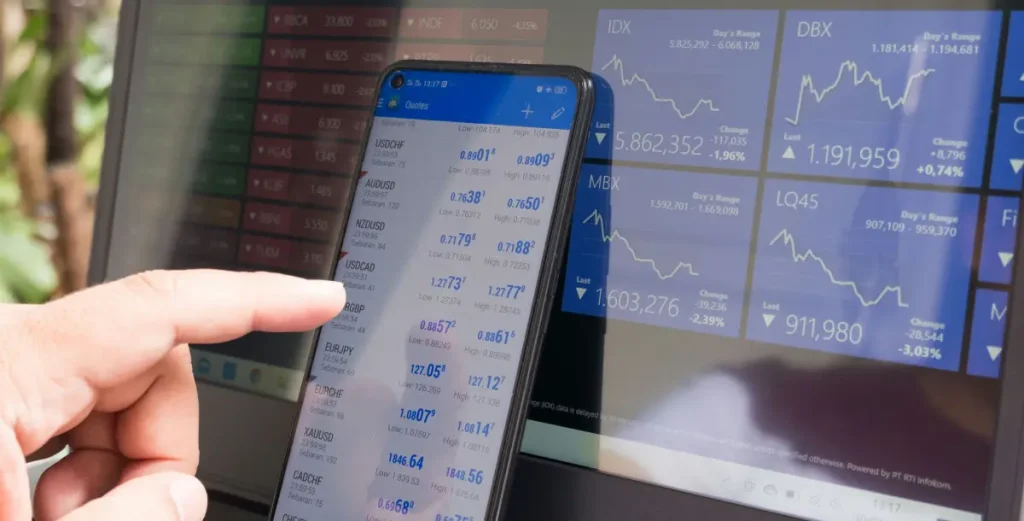
A-Book and B-Book brokers sit at the centre of every Forex and Contract For Difference (CFD) trade. These same execution dynamics show up in crypto markets, even if the labels look different. In crypto, you’ll hear “exchange,” “market maker,” or “order routing,” but the core question stays the same: does your venue route your order […]
Crypto Brokers vs. Crypto Exchanges: What to Know

Are you diving into cryptocurrency trading but unsure whether to choose a broker or an exchange? While both help you buy and sell digital assets, they operate on fundamentally different models that can significantly impact your pricing, control, and overall trading experience. This guide breaks down their key differences to help you decide which option […]
Crypto Investing vs. Crypto Trading: Which One Is Right for You?

Are you a patient builder, planting seeds for the future? Or a sharp-eyed surfer, riding the waves of volatility? The crypto world offers life-changing opportunities, but crypto investing and trading are fundamentally different games. This guide explains how each approach works, the tools you’ll need, the risks to plan for, and a simple framework to […]
MPC Wallets vs Multi-Sig Wallets: Choosing the Right Key Model for Your Stack

A lost phone, a compromised laptop, or a suddenly unreachable signer can turn into a full-blown crisis when millions in user funds sit behind a single private key. For exchanges, fintech apps, DAOs, and corporate treasuries, the real attack surface isn’t “crypto” in the abstract—it’s how you generate, distribute, and approve signatures every day. That’s […]
Crypto Credit Card vs. Crypto Debit Card: What’s the Difference?

The digital payments landscape continues evolving as businesses seek new ways to integrate cryptocurrency into their operations. For B2B organizations considering crypto payment solutions, understanding the distinction between crypto credit cards and crypto debit cards becomes crucial for making informed infrastructure decisions. Both card types enable crypto transactions, but they serve fundamentally different purposes and […]
Stablecoins vs CBDCs: What’s the Difference?

The digital money revolution is creating two distinct paths forward. On one side, private companies issue stablecoins backed by traditional assets. On the other hand, central banks develop their own digital currencies, known as Central Bank Digital Currencies (CBDCs), with sovereign backing. Both stablecoins and CBDCs promise faster payments, lower costs, and increased financial inclusion. […]