How KYT Enhances Trust and Transparency in Crypto Transactions

In traditional finance, banks and financial institutions monitor both transactions and customer identities to detect suspicious activity and comply with regulatory frameworks such as Anti-Money Laundering (AML) and Know Your Customer (KYC) laws. These institutions verify identities, track fund movements, and flag unusual patterns that could indicate fraud or illicit activities. However, in the decentralized […]
What Is AML Compliance in Crypto? Why It’s Essential for Businesses

The cryptocurrency industry has grown exponentially, attracting both legitimate businesses and malicious actors. With the rise of digital assets, governments and regulatory bodies worldwide are tightening anti-money laundering (AML) regulations to combat financial crimes, prevent fraud, and promote transparency. For businesses operating in the crypto space, AML compliance is not just a regulatory requirement—it is […]
The Urgency of MiCA: Why Delay in Compliance Could Cost Your Business

Non-compliance could lead to a shutdown. For businesses with operations across Europe, the Markets in Crypto-Assets (MiCA) Regulation represents more than just compliance—it’s a pivotal moment with far-reaching impacts on their operations, growth potential, and financial stability. MiCA, which became effective on June 9, 2023 and fully implemented as of December 30, 2024, introduces a […]
How to Choose the Right Blockchain Transaction Monitoring Solution?

Blockchain transaction monitoring is a crucial compliance tool that helps businesses track, analyze, and assess cryptocurrency transactions for potential risks, such as fraud, money laundering, and illicit activities. Unlike traditional financial systems, crypto transactions are pseudonymous and irreversible, making real-time monitoring essential for identifying suspicious patterns and ensuring regulatory compliance. For businesses operating in the […]
Understanding KYT: A Key Tool for Fraud Prevention and Compliance in Web3 and Blockchain

Can your business afford to ignore Know Your Transactions (KYT) in Web3? In 2024, over $1 billion was lost to crypto scams like phishing and contract hacks. This shows how risky it is to operate in the Web3 space. KYT (Know Your Transactions) can help protect your business by monitoring blockchain transactions in real-time. Unlike […]
What’s the Difference Between KYC and KYT in Crypto Compliance?

As the cryptocurrency market grows, regulatory compliance has become increasingly critical for both businesses and users. Two terms often encountered in the realm of crypto compliance are KYC (Know Your Customer) and KYT (Know Your Transaction). While both processes aim to enhance security and prevent illicit activity, they serve distinct functions. Understanding the difference between […]
How Does KYT Prevent Financial Fraud?

As cryptocurrency adoption grows, so does the risk of financial fraud, including money laundering, illicit transactions, and market manipulation. Know Your Transaction (KYT) solutions provide real-time monitoring of blockchain transactions, helping businesses detect suspicious activities and maintain regulatory compliance. Unlike traditional Know Your Customer (KYC) procedures that focus on verifying identities, KYT continuously analyzes transaction […]
KYT Compliance for Crypto: Staying Ahead

The Compliance Shift in Digital Assets As tokenized real-world assets (RWAs) attract billions in institutional interest, regulators are intensifying scrutiny—not just of who owns assets, but how those assets behave on-chain. Recent enforcement actions and new frameworks in jurisdictions like the UAE, EU, and Singapore underscore a shift: after-the-fact AML checks are no longer enough. […]
Unleashing MiCA: Step into Regulated Crypto Finance
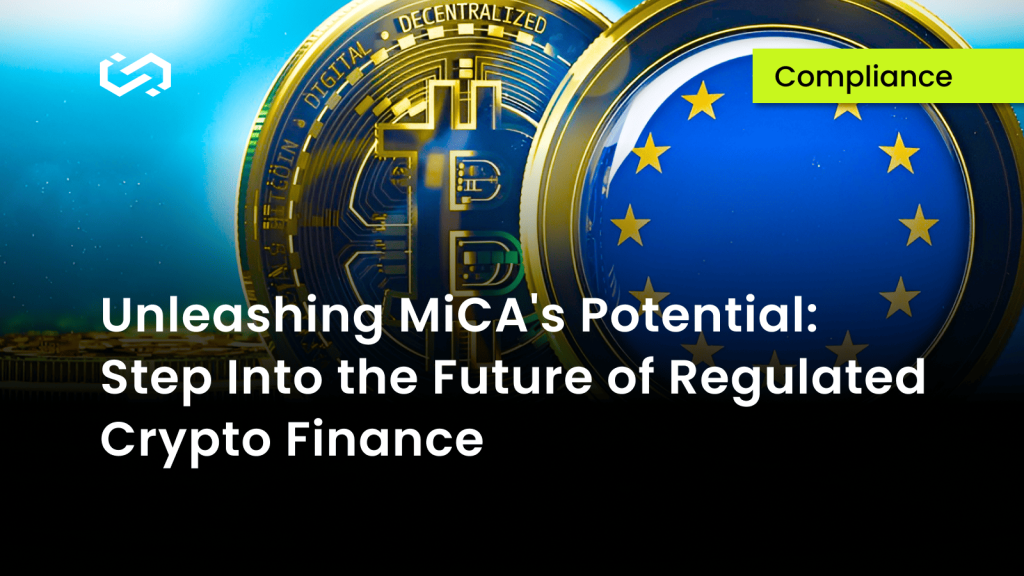
Fail to comply, and you’re out. MiCA compliance is a huge deal. On December 30, 2024, the EU fully implemented the Markets in Crypto-Assets (MiCA) Regulation. This makes the EU the first region to introduce a complete legal framework for crypto-assets. MiCA sets global standards for regulation, innovation, and trust. It aims to protect investors […]
The Role of the SEC in Crypto Regulation
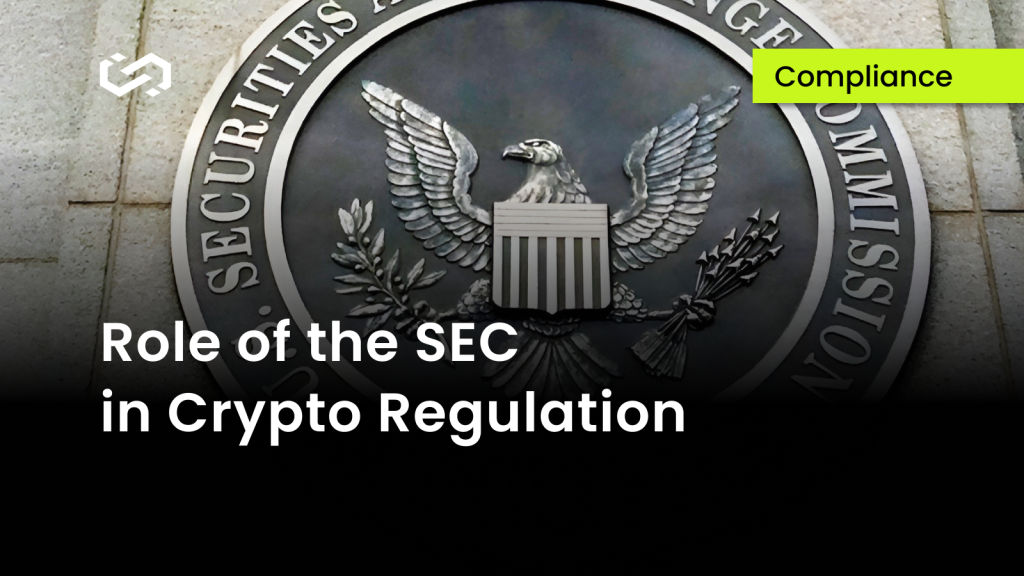
The U.S. Securities and Exchange Commission (SEC) plays a pivotal role in regulating the cryptocurrency market, ensuring investor protection, market integrity, and compliance with federal securities laws. As digital assets continue to evolve, the SEC has intensified its oversight, classifying certain cryptocurrencies as securities, enforcing compliance on exchanges, and cracking down on fraudulent activities. While […]